


There were 1,868 corporate insolvencies in May 2026 – 10.5% fewer than in April 2026 (2,087), and 16.3% fewer than in May 2025 (2,231) in England and Wales
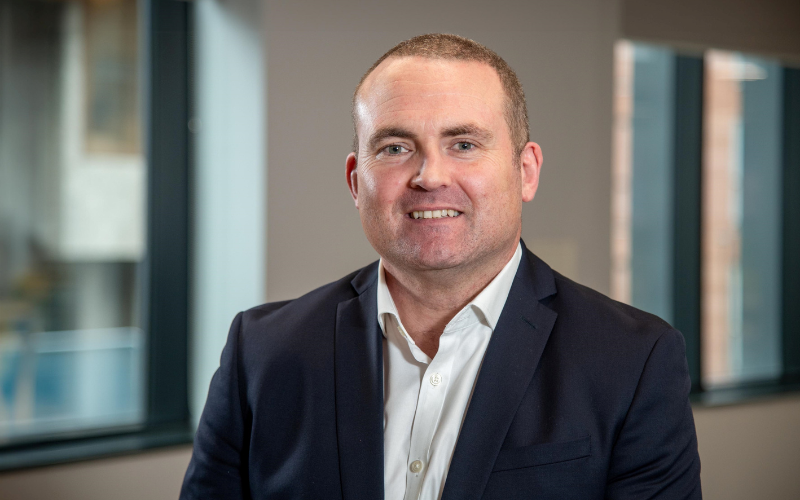
Leeds-based Richard Oddy, restructuring and insolvency partner at UK top 10 accountancy and business advisory group Azets in Yorkshire, says:
“The monthly and annual fall in corporate insolvencies reflects the change in Compulsory Liquidation numbers, which are down from a 10 year high last month, and the change in Creditors’ Voluntary Liquidation numbers from May last year – a month in which many employers were entering a CVL in response to the increased NI costs that were introduced in April.
“Directors running out of fight, firepower and finance is still a problem, and creditors remain willing to turn to the courts to recover monies owed – and neither of these are going to change in the short-term.
“The reality is that despite the fall in insolvencies compared to last month and last May, numbers are still high and businesses are still struggling – with many are facing an uncertain future.
“Geopolitical issues, increases in costs, political uncertainty, a lack of affordable finance, and creditors chasing overdue debts in an attempt to pay their own bills are just some of the issues that driving firms into financial distress.
“Unless the climate becomes easier and some way is found of lightening the cost load on businesses, it’s likely demand for advice and support will remain high in the coming weeks and months as more firms feel the effects of the challenging trading climate.
“The economic ripple effect of the war in Iran continues to take its toll. It has led to an increase in operating costs, affected investment and recruitment plans, and seen some firms increase prices and review suppliers in a bid to try and manage its effects.
“The signing of the initial deal is positive and may allay fears that this would become a permacrisis. However, it appears to be very high-level, so complex and protracted negotiations will need to follow.
“Whilst it remains so fragile, the ‘deal’ is unlikely to completely reverse the negative impacts that have resulted from the conflict.
“Closer to home, increasing speculation about the prime minister’s future is also unhelpful for business confidence. “With a possible leadership contest looming and a possible change in direction of the Government, businesses in certain sectors may be wary of investing, expanding or borrowing amid the political uncertainty.”
Richard added: “Alongside this, businesses are sprinting to keep up with rising expenses.
“The start of the new financial year has brought an increase in business rates, the cost of hiring and retaining staff has soared, and energy bills are set to rise once again.
“Businesses will be sandwiched between having to pay higher energy bills and seeing their customers cut back on spending as they look to find the funds to pay their own.
“This will deal them another cost blow in the short-term and as we move into the winter months.
“From a sectoral perspective, hospitality, retail and construction continue to struggle. The fact that several household names have entered restructuring or insolvency processes recently shows the strain on the restaurant sector is becoming unbearable as the double blow of increased expenses and cautious consumers continues to affect it.
“Despite a rise in footfall and sales, retailers continue to be crushed by costs.
“News of TG Jones looking to enter a restructuring plan shows that even firms who are part of the history of the high street aren’t safe from financial distress, and ongoing issues around employment and business costs continue to affect firms across the sector.
“And the construction industry continues to suffer as rises in labour and the price of materials put further strain on already tight project margins, and ongoing issues around late payment make cashflow control increasingly difficult and tip more firms towards financial distress.
“Our advice to anyone who is worried about their business is to pick up the phone and speak to an adviser.
“It’s incredibly hard to voice your concerns about your finances but the earlier you do, the more potential solutions you have open to you and the more time you have to consider how you move forward.”
Image provided by Azets
